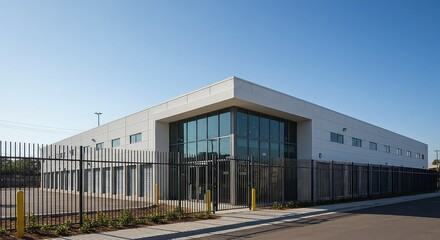
A quality metal fence and gate will last for years. They also require proper installation to stand strong and look great.
Metal Gate and Fence begins with site evaluation, mapping fence lines, and marking post locations. They check for underground utilities and confirm property boundaries. They remove obstructions and prepare the ground for installation.
Materials
When creating custom iron gates and fences for homes or businesses, it’s important to choose a material that matches the environment. Metal options like aluminum and steel provide durability, but they’re also flexible enough to be crafted into unique designs for aesthetic appeal.
Other materials such as wood and vinyl offer warmth and traditional charm, though they require routine sealing and maintenance. Whether you prefer the longevity of an iron fence or the traditional look of a wood gate, Victoria Fabricating has the resources to bring your vision to life.
During the design phase, contractors work with you to understand the purpose and style of your property. They’ll evaluate the terrain, note any potential issues like slopes or drainage patterns and address questions about privacy and aesthetic preferences. A clear understanding of your goals helps ensure that the finished product meets legal requirements and functions as intended.
Once the design has been approved, contractors prepare the site for construction. They may mark the fence lines and positions according to the approved design, and they’ll establish a strong foundation by digging post holes and pouring concrete. This step involves careful planning to avoid any obstacles or underground utilities that could interfere with the installation process.
Preventative measures are also taken to protect the fabricated iron from corrosion. This can include etching the surface, applying an anti-rust coating or powder coating. These treatments help the fence resist moisture, salt and other environmental pollutants that can speed up rusting.
Once the components are fabricated, they’re transported to the installation site on special specialized vehicles. Experienced handling technicians are trained to transport the pieces safely so that they arrive in pristine condition. Once on-site, the crew transforms the individual components into a cohesive and functional fence. They’ll install the panels, attach any gates and complete a thorough quality check to ensure that all aspects of the gate and fence are functioning properly. They’ll even make adjustments to address settling and other factors that might impact functionality. They’ll also clean the installation area and remove any debris.
Design
Choosing a custom gate allows homeowners to create a made-to-order design that perfectly balances aesthetics and functionality. During the design phase, your vision is transformed into a tangible plan using modern tools like computer-aided drafting (CAD). Together with your contractor, you’ll explore specific ornamental details, height requirements, and other important aspects of the gate installation that will affect its daily function. You may also want to incorporate other features like automated gates, keypad entry systems, and surveillance capabilities into the design.
Once the design process is complete, it’s time to bring the installation to life. The first critical step on-site involves establishing a solid foundation. This can involve digging footings and pouring concrete to properly anchor the fence posts. This step may also include confirming that any underground utilities are mapped and safely relocated before construction begins.
Then, contractors prepare the property for fence installation by removing any debris or vegetation from the area. They’ll run a string line to mark utility lines before digging, and purchase or rent all of the necessary tools for the project. They’ll also contact local utilities to have them come out and mark any lines that are in the vicinity. This prevents accidental cuts and delays while installing the fence.
Next, installers lay the groundwork by calculating post spacing and digging post holes for foundation. This ensures that each fence post is evenly spaced to maintain structural integrity and aesthetic uniformity. Concrete is then poured and allowed to cure. Once the concrete has cured, the installers can begin attaching fence panels.
Finally, if your gate installation includes automated elements like motors or sliding tracks, the installers will connect power supplies and test their operation to make sure everything is running smoothly. Any minor adjustments and touch-ups are performed on site to ensure that the final product meets your precise standards.
When the job is done, the installer will conduct a detailed walk-through with you and explain its operational aspects, maintenance recommendations, and care instructions so that you can enjoy your new custom fence or gate for years to come.
Installation
A custom metal fence is designed to meet the specific needs of your home or business. The design process typically begins with a visit to your property by professional contractors. During this time, they evaluate the land, measure boundaries, and address any potential problems. This step also provides an opportunity to discuss aesthetic preferences and answer any questions you may have. The more open the conversation, the closer your finished product will match your vision.
Before construction begins, a permit application is usually required. This step ensures that your fence meets local codes and functions as intended. In addition, local authorities often require a surveyor to accurately determine property lines. This prevents encroachment on neighboring properties, which could lead to legal disputes.
Once a permit is in place, the installation process begins. Contractors carefully measure the installation site and prepare the ground for fencing by digging holes at the proper depth based on soil type, frost line, and fence height. Professionals also calculate post spacing to maintain structural integrity and aesthetic uniformity. If the fence will be installed on a slope, contractors make adjustments to accommodate changes in elevation.
During the fabrication process, your custom iron fence undergoes rigorous quality control to ensure that it is of the highest possible standard. The components are then loaded into specialized vehicles and transported to your installation site. Once on-site, the team carefully installs each component. If the project includes automation or access control systems, these are installed at the same time to ensure optimal functionality.
Finally, the final steps include a detailed walk-through with you and any other stakeholders. This is an opportunity to explain operational aspects, recommend maintenance procedures, and provide care instructions so that you can enjoy your new iron fence for years to come. Additional protective finishes may be applied on-site to touch up any exposed welds or surface imperfections, ensuring that your finished product is uniformly protected against the elements.
Iron fences are incredibly durable and can withstand harsh environmental conditions for decades. They’re also highly customizable, with a range of picket styles, post caps, and color options to suit your home or business. They’re also low-maintenance, with periodic cleaning and simple touch-ups preserving their beauty.
Maintenance
A fence and gate are a significant investment for any property. A professional installation process ensures a secure and lasting result that will define outdoor space and increase privacy while showcasing your unique style. A fence’s design, materials, and layout must complement surrounding garden paths, patios, outdoor furniture, and architecture to create continuity.
The initial consultation helps contractors understand your goals and objectives so they can develop a custom design. They will also review local zoning laws, permit requirements, and homeowners’ association rules to avoid costly delays and ensure compliance.
After reviewing the design, you’ll receive a proposal that details cost and timeline for the project. This is a good time to ask any questions you have about the design or any other aspect of the project. The proposal should include a clear breakdown of all components and services to avoid any surprises when the bill arrives. Optional features like automated gates and security lighting can add to the total costs.
Preparing the site for a new fencing installation is a complex task. Contractors must evaluate soil composition, drainage, and any existing structures to prevent structural failure or safety hazards. They also use advanced surveying equipment to mark the exact location of posts and panels. This ensures a uniform appearance and robust structure, even with an extensive decorative ironwork design.
When the foundation is set, the installation team lifts the pre-fabricated iron panels and assembles them on the post base. They are then secured with concrete to create a strong foundation and a safe structural system.
Depending on the size and complexity of your custom fence, this step can take one to three days. During this time, contractors fine-tune the system to make sure it’s functioning properly and meets all your expectations. They may also perform a live demonstration of any integrated technology to ensure you understand how to operate them.
Keeping your metal fence in top condition requires regular cleaning and maintenance. Aim for at least a quarterly cleaning to remove any dirt and debris, and keep it lubricated with motor oil. Regular inspections should be done for signs of corrosion or other problems, such as insect infestations.