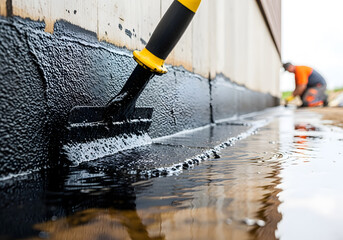
Home foundation damage caused by flooding or standing water can be devastating to a property. Aside from causing serious structural problems, it can lead to costly and time-consuming repairs.
The good news is, there are things homeowners can do to protect their homes from this type of damage. Here are some of them: Install Drains – this can be done through proper landscape design. Contact Foundation Repair Greensboro NC for more details.
Poor Drainage
The soil around a foundation plays a critical role in its stability. Different types of soil react differently to water. Peat soil, for example, shrinks when wet and expands when dry and can shift the ground beneath a foundation. Excessive water also can wash away loose soils like silt and sand, which can cause the foundation to settle unevenly. If the settling is significant, it can cause cracks in walls and doors or sinking of the foundation itself, requiring extensive and costly repairs.
Poor drainage is a major contributor to foundation problems. Excessive moisture can cause wood rot in basements and crawl spaces, encourage mold and mildew growth and corrode metal foundation parts. Moisture buildup can also weaken concrete, reducing its ability to support a building’s structure.
Signs of poor drainage include water pooling around the foundation after rain, cracked walls and floors and damp basements. A professional should examine the site to determine the cause of the problem and recommend appropriate solutions.
Leaving foundation issues unchecked can lead to serious damage, including heaving and shifting of the foundation and other structural damage. These problems can require major renovation work and impact a home’s market value.
Foundation problems are most common in areas with clay soils, which experience drastic changes between wet and dry conditions and can exert pressure against the foundation. Poor drainage can exacerbate the problem, creating more severe cracks and heaving in the walls.
To avoid these issues, it’s important to install gutter systems with downspouts that drain away from the house and check them regularly to ensure they don’t clog. Swales, French drains and other advanced drainage solutions can also help reduce the risk of water damage to the foundation and other parts of the structure. It’s also essential to choose landscaping and planting materials that will absorb and drain water properly and to make sure irrigation settings aren’t directing water toward the foundation. Water damage isn’t just expensive; it can be dangerous for the health and safety of occupants. Early inspections and prompt intervention by experts can help prevent costly repairs and protect a home’s market value.
Improper Grading
While home buyers often focus on roof condition, electrical systems and plumbing when sizing up a potential new property, they don’t always think to check the slope of the ground around it. This is known as the grading of the land, and it’s one of the most important factors in keeping your foundation and basement dry and protecting your home from damage.
Poor grading leads to soil erosion, which in turn creates foundation problems and basement leaks. During a home inspection, your inspector will be looking for signs of grading issues, including puddles in the yard, especially after rainstorms. In addition, if you have a crawl space or basement, check for dampness and musty odors. These are signs that excess moisture is seeping in from the ground, and this can cause mold growth, rot and corrosion of metal foundation parts.
Water seepage is the most common culprit of a wet basement or crawl space, but a faulty drainage system can also contribute to water damage. A home’s grading should be designed so that rainwater and snow melt flow away from the house, rather than pooling up or running down the foundation walls.
When this doesn’t happen, a wet basement can lead to drywall damage and mold, while hydrostatic pressure may develop under the foundation, pushing against the concrete and weakening its structure. The timeline for this deterioration varies depending on local climate conditions (from droughts to floods) and the composition of the foundation materials.
The most common sign of poor grading is a wet yard or lawn, especially after a rainstorm. When a foundation is located on clay soil, it retains water for extended periods of time and can eventually cause settling or structural damage. In contrast, sandy soil drains quickly and can reduce a home’s vulnerability to flooding.
A good home inspector will be able to identify potential drainage and grading issues, which are easy to fix and can save you a lot of money in the long run. A professional landscaping company can also assess your soil type and design a drainage solution that’s customized for your home. It’s a smart investment that will pay for itself by reducing the risk of costly water damage.
Cracks in the Foundation Walls
Foundation cracks aren’t just a cosmetic flaw in the concrete of your home. These fissures are often ominous red flags for deeper structural issues that threaten the integrity of your home and, in turn, impact its value. A thorough understanding of the different types of foundation cracks and their causes can help you spot early warning signs that warrant a professional inspection and repair.
The type and severity of a foundation crack depends on soil conditions, the age of the foundation, and moisture levels. Regardless of their cause, any crack that widens or leaks water should be inspected by a foundation specialist. These professionals can recommend strategies to mitigate any serious damage and ensure that your home is safe and secure.
A concrete foundation is made of a porous material that allows water to penetrate the structure and create hydrostatic pressure against the foundation walls. This pressure can eventually cause the cracks to widen, allowing more water to seep in and exacerbate the damage. This process is accelerated by poor drainage, which leads to excess moisture in the crawl space and increased water pressure against the foundation.
In most cases, any crack in the foundation that is wider than 1/8 inch is a serious concern. Small hairline cracks that run up and down the foundation wall are common in poured concrete foundations as a result of settling and typically aren’t a cause for concern unless they exceed 1/4 inch. Horizontal and diagonal cracks are more serious, as they can indicate that there is excessive pressure against the foundation from surrounding soil.
It is also important to regularly inspect your home for stair-step cracks in block foundations and sagging floors, which are signs of structural issues that should be addressed immediately. These issues can lead to bowing or sinking walls, reducing the structural stability of your home and potentially posing a threat to your family’s safety. In addition, delaying the addressing of these issues can exacerbate them and lead to further damage and costly repairs. It is critical to recognize these early warning signs and seek professional evaluation and repairs as soon as possible to avoid the onset of significant damage and reduce your home’s value and marketability.
Mold Growth
Mold growth is one of the most serious consequences of water damage. Fungal organisms that colonize building materials like wood, drywall, and insulation consume them from the inside, breaking down their molecular structure with enzymes. This biological assault transforms strong, load-bearing elements into compromised components that can no longer support their intended weight.
The primary conditions for mold growth are food sources, ideal temperature, and moisture. Most building materials in homes provide ideal nourishment for mold spores, and these materials are often exposed to excess moisture due to plumbing leaks or condensation from heating and cooling systems.
Water problems like flooding, ponding, and inadequate drainage create the ideal environment for mold to grow, particularly when the soil is constantly wet or damp. Unchecked, this constant moisture can weaken the soil supporting the foundation of the house, causing structural deterioration and eventually leading to cracks or other signs of trouble.
Structural damage caused by mold is typically very costly to repair, especially if it affects load-bearing elements. However, if the problem is discovered early, remediation may involve simple repairs and preventative maintenance. In severe cases, mold compromise can require extensive structural reconstruction, resulting in expensive and time-consuming construction.
Moisture problems are common causes of foundation damage, but identifying and responding to them promptly can prevent the most serious problems. Watch for signs of moisture problems, including musty odors or mold growth, and schedule inspections and repairs with experts like Helicon when you notice changes in the stability of your home.
The Tidewater region of Virginia has expansive clay soils that expand when wet and shrink when dry, putting repeated stress on the foundation of homes. Poor drainage, grading issues, and landscaping that traps moisture around the foundation can further destabilize these soils, causing further damage to the foundation of your home. Early detection and prompt repairs can protect your investment and reduce the risk of expensive future repairs.