Ensuring Peace of Mind with a Comprehensive Home Inspection

Buying, selling, or maintaining a home is one of the biggest investments a person can make, and ensuring that the property is safe, structurally sound, and free of hidden issues is essential. That’s where a thorough home inspection becomes invaluable. Far more than a quick walkthrough, a professional home inspection provides an in-depth look at a property’s condition, identifying potential problems before they become costly surprises. Whether you’re a first-time buyer, a seasoned investor, or a homeowner wanting to protect your investment, understanding the importance of a home inspection can help you make smarter decisions and enjoy greater peace of mind.

home inspection

Why Home Inspections Matter

A home may look flawless at first glance, but appearances can be deceiving. Small cracks in the foundation, outdated wiring, hidden water damage, or deteriorating roofing materials are often invisible to the untrained eye. A comprehensive inspection uncovers these issues and more, giving you a clear picture of the property’s true condition.

For buyers, this knowledge helps prevent unexpected repair costs after the sale. For sellers, a pre-listing inspection can highlight issues to address before putting the house on the market, making it more appealing and increasing buyer confidence. Even for long-term homeowners, routine inspections can spot maintenance needs early, saving time and money in the long run.

What a Typical Home Inspection Covers

A standard home inspection is a top-to-bottom review of a property’s major systems and structural elements. Inspectors generally evaluate:

  • Foundation and Structure: Looking for cracks, uneven floors, or other signs of settling that could indicate structural instability.
  • Roofing and Attic: Checking for leaks, damaged shingles, insulation quality, and ventilation to prevent water damage and energy loss.
  • Plumbing Systems: Identifying leaks, corrosion, water pressure issues, and the condition of visible pipes and fixtures.
  • Electrical Systems: Examining outlets, panels, grounding, and wiring for safety and code compliance.
  • Heating and Cooling Systems: Assessing the condition and functionality of furnaces, air conditioning units, and ductwork.
  • Interior and Exterior Components: Inspecting walls, ceilings, windows, doors, and siding for damage or wear.
  • Basement or Crawl Spaces: Looking for moisture issues, pests, or insulation problems.

While inspections don’t guarantee that every issue will be found—especially hidden ones behind walls—they provide a reliable overview of a property’s current condition and potential future concerns.

Benefits of Getting a Home Inspection

The advantages of a home inspection extend beyond just finding problems. They include:

  • Negotiating Power: Buyers can use inspection findings to negotiate repairs, credits, or price adjustments before finalizing a purchase.
  • Budget Planning: Understanding a property’s condition helps plan for future maintenance or upgrades, such as replacing an aging water heater or repairing a worn roof.
  • Safety Assurance: Inspections can uncover hazardous conditions, such as faulty wiring, gas leaks, or mold, which could pose health risks if left unchecked.
  • Confidence in Decision-Making: Whether you’re buying, selling, or staying put, having a professional assessment reduces uncertainty and stress.

These benefits make inspections one of the smartest investments in any real estate transaction.

Preparing for a Home Inspection

Both buyers and sellers can take steps to ensure a smooth inspection process:

  • Clean and Clear Access: Make sure basements, attics, garages, and utility areas are accessible. Inspectors need to reach systems and components to do a thorough job.
  • Provide Documentation: Maintenance records, warranties, and receipts for repairs or upgrades help inspectors understand the home’s history.
  • Address Obvious Issues: Fixing small, visible problems like leaky faucets or loose handrails beforehand can create a better impression.
  • Be Present if Possible: Attending the inspection allows you to ask questions and gain a better understanding of the findings firsthand.

Preparation not only makes the process smoother but also signals to the inspector and potential buyers that the home has been well cared for.

Understanding the Inspection Report

After the inspection, you’ll receive a detailed report outlining the findings. These reports often include photographs, descriptions of concerns, and recommendations for repairs or further evaluation. While seeing issues listed can be intimidating, it’s important to remember that no home is perfect—even new constructions can have minor issues.

Focus on major problems or safety hazards first. Cosmetic imperfections or minor wear-and-tear items are less critical and can often be addressed over time. For significant issues, consider getting estimates from specialists to understand repair costs before making decisions.

When to Schedule Inspections

While most people think of inspections during the buying process, there are other times when they’re equally valuable:

  • Pre-Listing Inspections: Sellers can identify and repair issues before putting their home on the market, making the property more attractive to buyers.
  • New Construction Inspections: Even brand-new homes can have defects; inspections ensure the work meets standards.
  • Routine Maintenance Inspections: Homeowners can schedule periodic inspections every few years to catch small problems early and extend the life of their home’s systems.

Regular inspections protect your investment and prevent surprises down the road.

Choosing the Right Home Inspector

The quality of an inspection depends heavily on the inspector’s expertise. While you should avoid brand endorsements, you can still look for professionals who are experienced, certified, and have positive reputations. Ask about their training, the scope of their inspections, and whether they provide clear, detailed reports. Recommendations from trusted sources or industry associations can also help you make an informed choice.

A home inspection is one of the most powerful tools for protecting your investment, your finances, and your peace of mind. By revealing hidden problems, providing a roadmap for maintenance, and giving buyers and sellers confidence, inspections turn uncertainty into informed decision-making.

Whether you’re preparing to buy, sell, or simply maintain your home, scheduling a thorough inspection is a smart move that can save money, reduce stress, and ensure the safety and longevity of your property. In the long run, the cost of an inspection is minimal compared to the security and clarity it provides—making it a cornerstone of responsible homeownership.
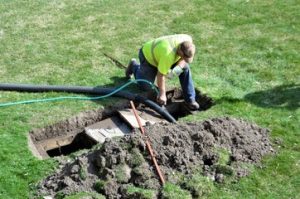

The Importance of Septic System Preventive Maintenance

Septic systems play a crucial role in the health and comfort of your home. Keeping up with essential maintenance tasks like scheduling pumping, practicing mindful water usage, and educating your household on what should and shouldn’t be flushed can help reduce the risk of costly repairs.

Septic

Paying attention to warning signs can also save you from requiring emergency services, which come with additional expenses and potential health risks. Contact Septic Service Fresno for professional help.

Many homeowners forget about their septic systems until something goes wrong, but preventive maintenance can protect your home’s septic system from costly problems and help keep wastewater away from your house. Regular service by a licensed, professional septic service provider can catch small issues before they become major repairs, extend the lifespan of your septic system, and reduce household hazardous waste disposal costs.

Preventive septic maintenance services include routine inspections, cleaning of the septic tank, and proper use of household drains and toilets. It is also important to be aware of what to do and not do with a septic system, such as not flushing inappropriate items down the drain. Items that do not break down like toilet paper and human waste can clog drain lines, especially the septic tank outlet pipe. This can lead to sewage backups into the home, which require emergency septic service and result in expensive repairs and health risks.

A septic system that fails can pollute groundwater and surface water with bacteria, which poses serious health risks for homeowners and the surrounding community. The EPA recommends routine septic tank inspection, pumping, and cleaning to reduce the risk of failure and maintain proper septic system operation. A properly functioning septic system also promotes family health and hygiene by preventing disease-causing bacteria from entering the household.

Regular septic maintenance includes reducing the amount of household waste to avoid overloading the septic tank. To do this, consider using low-flow sinks and showerheads, limiting laundry loads, and only using the dishwasher when full. It is also recommended to not use harsh chemical cleaners and bleach, as these can disrupt the natural bacteria that breaks down waste.

Another key preventive measure is to plant trees and shrubs far from your septic tank and drain field to avoid root intrusion and blockages. In addition, it is helpful to have a septic tank locating marker in place for easy identification of the septic tank and its location.

In addition to ensuring that your septic system is working correctly, preventive maintenance also helps you get the most value out of your home when it comes time to sell. Potential buyers will be impressed by a clean, well-maintained septic system with complete maintenance records. This makes the property more appealing than a comparable home with an unknown septic system history.

Emergency Repairs

Septic systems are complex and must be handled by professionals to ensure that repairs and installations are completed correctly. This helps prevent recurring issues that may require expensive system replacements down the road. Moreover, professional septic services protect the environment by reducing waste pollution. Leaks and overflows from malfunctioning septic systems introduce pathogens into soil and water sources, harming wildlife and local ecosystems. By relying on regular inspections, pump outs, and maintenance from a qualified septic service provider, you can keep your septic system healthy and safe for years to come.

Emergency repairs are necessary when septic components are damaged or not working as they should. Whether it’s an overflowing tank, sewage backups, or other serious problems, prompt repair is essential to reduce the damage and protect your property and family.

Most septic emergencies involve clogs or structural problems that can be expensive to repair. Top septic system service experts in Bonita Springs, FL explain that clogs occur when solid waste builds up faster than it can be broken down, leading to slow draining, unpleasant odors, and potential wastewater leaks.

Another common issue is a damaged septic system distribution box, which takes in effluent from the septic tank outlet and distributes it to the leaching field. This box needs to be free of obstructions and properly plumbed to ensure proper flow. Untreated septic system emergencies lead to expensive sewage backups, soil contamination, and damage to landscaping and structural integrity.

A septic tank system is usually hidden from view, making it difficult to identify a problem until it’s too late. The best way to avoid costly septic system emergencies is by scheduling routine inspections and maintenance from a reputable septic service provider. A septic service provider can also help you stay on track with your pumping schedule and recommend a system maintenance plan that fits your household’s needs. In addition, you can reduce the risk of emergencies by using septic-safe products and refraining from flushing chemicals, grease, or non-biodegradable substances. 

Inspections

A septic system quietly keeps everything running smoothly beneath the surface, but when it isn’t properly maintained, it can cause sewage backups, foul odors, and environmental damage. Regular inspections can catch problems before they escalate, saving you from expensive repairs down the road.

There are two types of septic inspections: visual inspections and full inspections. The former involves checking indoor and outdoor drains as well as the septic tank and drain field, and costs between $100 and $300. The latter is more comprehensive and can cost up to $600. It includes all the steps of a visual inspection plus opening and inspecting the septic tank and pumping (if necessary).

After performing a visual inspection, the septic inspector examines the tank for cracks, corrosion, and levels of sludge and scum. They will also open the access covers and look at the baffles. They will then run water to check the leaching system for functionality and assess if it needs to be pumped. In addition, they will check the drain field for any issues with ground cover or vegetation. The inspector will also perform a dye test, which detects leaks by using a special dye that is attracted to waste.

Since septic systems are largely buried underground, it can be difficult to visually inspect them without the aid of specialized tools. However, new camera-assisted methods have made this task far more efficient. By sending a digital camera through the entire septic system and drain field, your septic professional can spot even the smallest potential problems, including clogged pipes and root intrusion.

A septic inspection should be done every 3 to 5 years, but in some cases you may need it more often. If you’re selling your home, a full inspection is especially important. This will ensure your septic system is in good condition and comply with state and local regulations. This will reassure potential buyers and help you get the highest sale price possible.

Pumping

Your septic system is one of those unsung heroes that quietly protects your home, family, and guests around the clock. However, like any machine, your septic system needs regular maintenance to keep working properly. Without routine service, hidden problems can escalate into costly emergencies like back-ups and drainfield failures. Thankfully, you can avoid these headaches by scheduling regular septic tank pumping and inspections with your trusted local septic system company.

Pumping removes solid waste and sludge from your septic tank, reducing the risk of clogs, backups, and system failures. A professional can recommend an appropriate pumping schedule based on household size and water usage.

Keeping up with your septic tank pumping schedule is the best way to extend the life of your septic system and minimize costly emergencies. When combined with regular inspections, septic tank pumping can keep your system performing its best for decades to come.

A septic system that is not functioning properly poses many risks for homeowners, especially those with small children and pets. Leaking tanks and broken components can expose them to dangerous pathogens and contaminate the soil, groundwater, and surrounding environment. Wastewater can even enter indoor spaces and affect air quality, creating respiratory irritants for those in the home. By investing in septic system maintenance, you can avoid these risks altogether and enjoy a smoother, healthier lifestyle.

In addition to preventing serious consequences for your health, a well-functioning septic system also protects your property value. Potential buyers will often request maintenance records as part of the sales process, so having a record of regular services can help sell your home faster and for a higher price.

Don’t wait for slow drains, strange odors, or soggy spots in your yard to call for septic tank services. Whether you need septic tank pumping, inspections, or comprehensive septic system repairs, a reputable septic service provider can handle all of your needs quickly and conveniently. Call today to schedule your next service. Our experienced professionals look forward to helping you maintain a safe, healthy, and environmentally friendly septic system.